Jessica Long, Mother Joseph Province curator, is one of 25 people in the U.S. selected by the Smithsonian Institution to participate in a program designed to develop the skills necessary to preserve historically significant items in the aftermath of a natural disaster.
The Heritage Emergency and Response Training (HEART) program began in 2017 to help people become more comfortable in preparing for and recovering from disasters. Participants included collection professionals like Jessica and first responders. The Smithsonian covers all expenses through its funders.
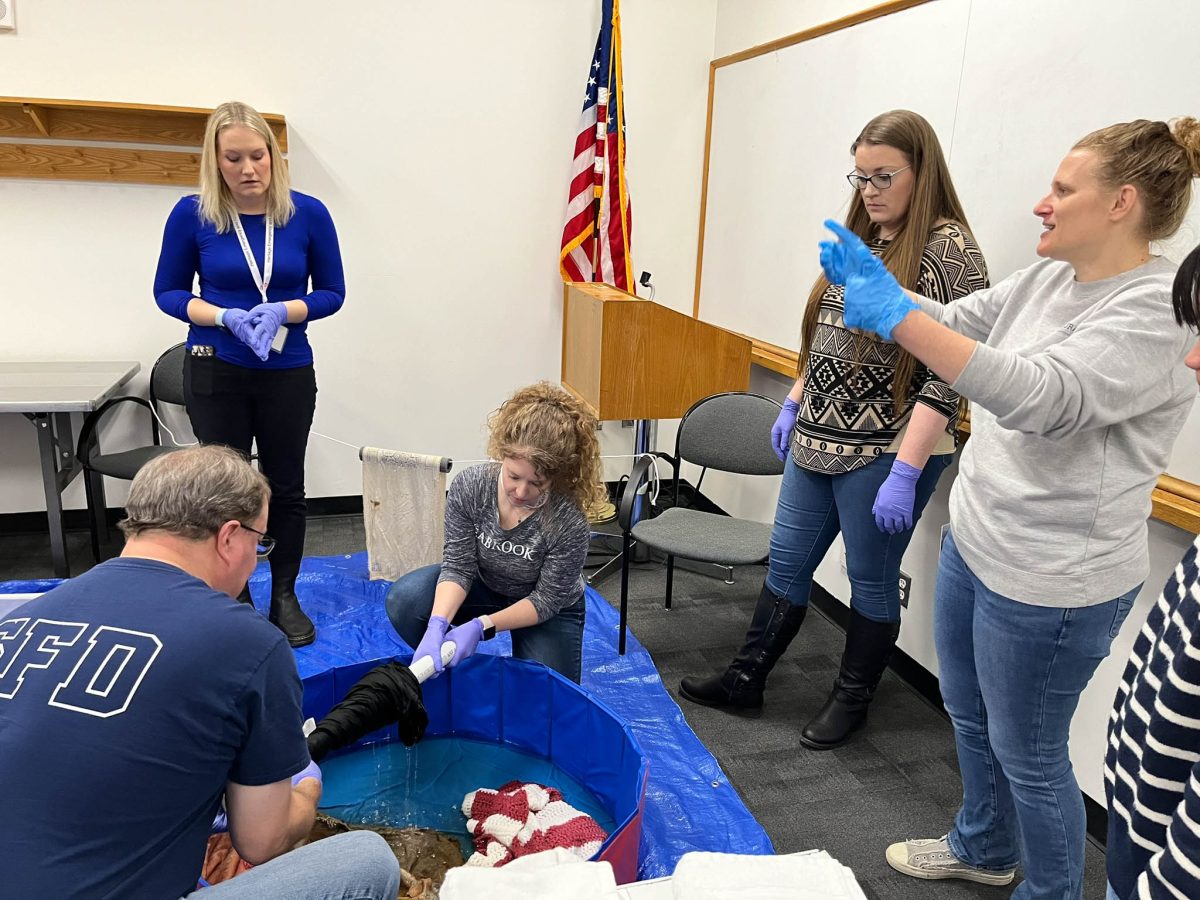
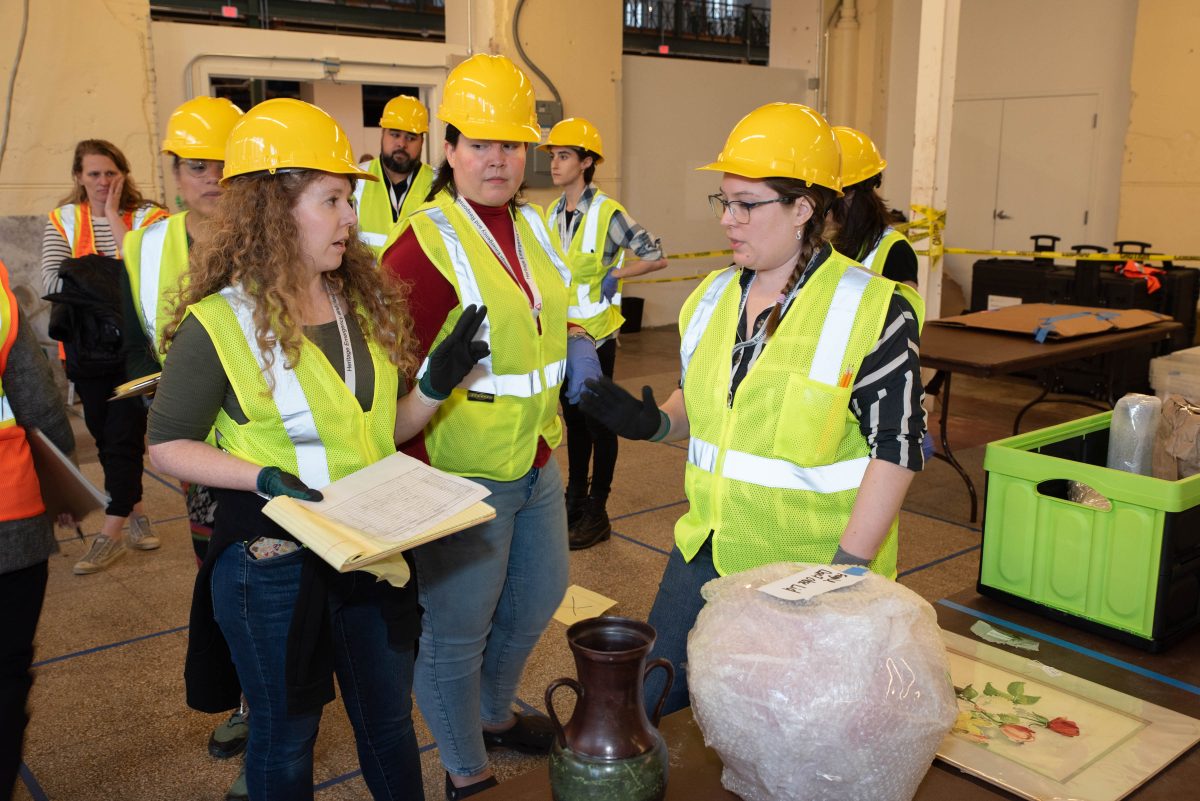
The week in Washington, DC, was not all in a classroom seminar setting. Jessica and the others engaged in two hands-on exercises. The first involved how to recover items like textiles and books submerged in water. The other involved an “incident command system” drill in which the participants simulated the steps necessary to preserve artifacts in the face of an approaching hurricane.
“I really valued the hands-on work,” said Jessica. “There are many concerns that people don’t often consider – like hazardous waste and pharmaceuticals – that could be issues during a recovery process. The training was a good reminder of the many factors that go into preservation efforts.”
Jessica, who works in the Spokane provincial offices, also spearheads the Spokane Heritage and Emergency Preparedness and Response Division (SHEPARD), a network of museums, libraries, and other cultural heritage organizations whose goal is to provide a place for support, resources, and emergency response for eastern Washington organizations.